
The medical Ketogenic Diet and drug-resistant epilepsy
Starting the medical ketogenic diet can feel like a big journey. Whether you're a parent, carer or following the diet yourself, this guide will help you understand how the diet works, what to expect and where to find support along the way.

Getting started
If you’re looking for clear, supportive information about the medical ketogenic (keto) diet for drug-resistant epilepsy (DRE) or certain neurometabolic conditions, you’re in the right place.
Starting a new medical ketogenic diet plan, whether that’s for adults or children, can feel like a big step. It’s completely normal to have questions or worries. That’s why we’ve pulled together this information to support you as you begin (or continue) the medical ketogenic diet. From how it may help, to choosing suitable foods and planning meals, we’re here to help you feel more confident along the way.
The medical ketogenic diet should always be started and followed under the guidance of a healthcare professional. Speak to your healthcare professional before starting a medical ketogenic diet.
What is the medical Ketogenic Diet?

Let’s start with the basics: what the Ketogenic Diet is, and why your healthcare team might suggest it for epilepsy or certain neurometabolic conditions.
The Ketogenic Diet is a carefully planned, very high-fat, low-carbohydrate diet with enough protein to meet daily needs. It has been used since the 1920s as a treatment option to help manage epilepsy, always under the guidance of a specialist ketogenic diet team.
The Ketogenic Diet may be recommended for people with epilepsy whose seizures continue despite trying two or more antiseizure medicines (ASMs). When this happens, this is called drug-resistant epilepsy (DRE).
Living with ongoing seizures can be exhausting and worrying, not only for the person affected, but for family, friends, and carers too.
This is where the Ketogenic Diet may help. The main goal is to try to reduce the number of seizures for someone with DRE or a neurometabolic condition. Some people may also notice other benefits, such as better sleep, improved quality of life or the reduction of medication (always with their clinician’s support). 1,2

Research studies have shown that the ketogenic diet can be an effective dietary management option for children and adults with drug resistant epilepsy and some neurometabolic conditions.
Use of the medical Ketogenic Diet in neurometabolic conditions
Some neurometabolic conditions also respond well to the ketogenic diet. Your ketogenic diet team will explain how it may be suitable for you or your child. These conditions include:
Glucose transporter type 1 deficiency syndrome (Glut-1 DS)
Glut-1 DS is caused by a change in a gene that affects the Glut-1 protein, which helps move glucose (a type of sugar) into the brain. When the brain can’t get enough glucose, it can lead to symptoms such as seizures and movement disorders.
Pyruvate dehydrogenase deficiency (PDHD)
PDHD happens when the body does not have enough of an enzyme needed to turn food into energy. It can cause a build-up of lactic acid and symptoms such as seizures, weak muscles, and developmental delay.
For both of these conditions, the Ketogenic Diet is often recommended as a first-line treatment. Your Ketogenic Diet team will talk you through what this may look like long-term and support you and your family throughout.
Benefits of the medical Ketogenic Diet
If you or your child are living with DRE or a neurometabolic condition, you may be wondering about the potential benefits of the ketogenic diet. With appropriate medical support, some of the potential benefits of the ketogenic diet may include:
Less Medication
With close guidance from your medical team, it may be possible to reduce medicines over time.2
Cognitive Improvements
Some parents may notice that their child is more alert, with improvements in attention and concentration.3
Seizure Control
Research shows that those who follow the ketogenic diet with medical supervision can see a reduction in the number of seizures. For some, seizures may stop altogether. It’s important to remember, though, that results vary and the diet doesn’t work for everyone.
Everyone’s journey is unique, so it’s important to discuss and agree your individual goals with your keto team. Together, you can decide what matters most and check how the diet is working for you or your child.
This will depend on your (or your child’s) individual situation. Some people with DRE may not take antiseizure medication, but if they do, the advice is usually for it to be continued when the diet is started.
If the diet is helping, your ketogenic diet team may review any medicines after a period of time. They may suggest carefully planned changes, such as slowly reducing the dose to see how it affects seizures.
In some cases, it may be possible to reduce or stop one or more medicines.
Any changes to antiseizure medication must always be made with medical supervision and never on your own.
How does the medical Ketogenic Diet work?
The ketogenic diet can help some people with DRE, but researchers are still learning exactly how it works in the brain. What we do know is that it changes the way the body makes and uses energy. Normally, our body mainly uses carbohydrates (carbs) for energy. On the ketogenic diet, it switches to mainly using fat as its energy source instead.
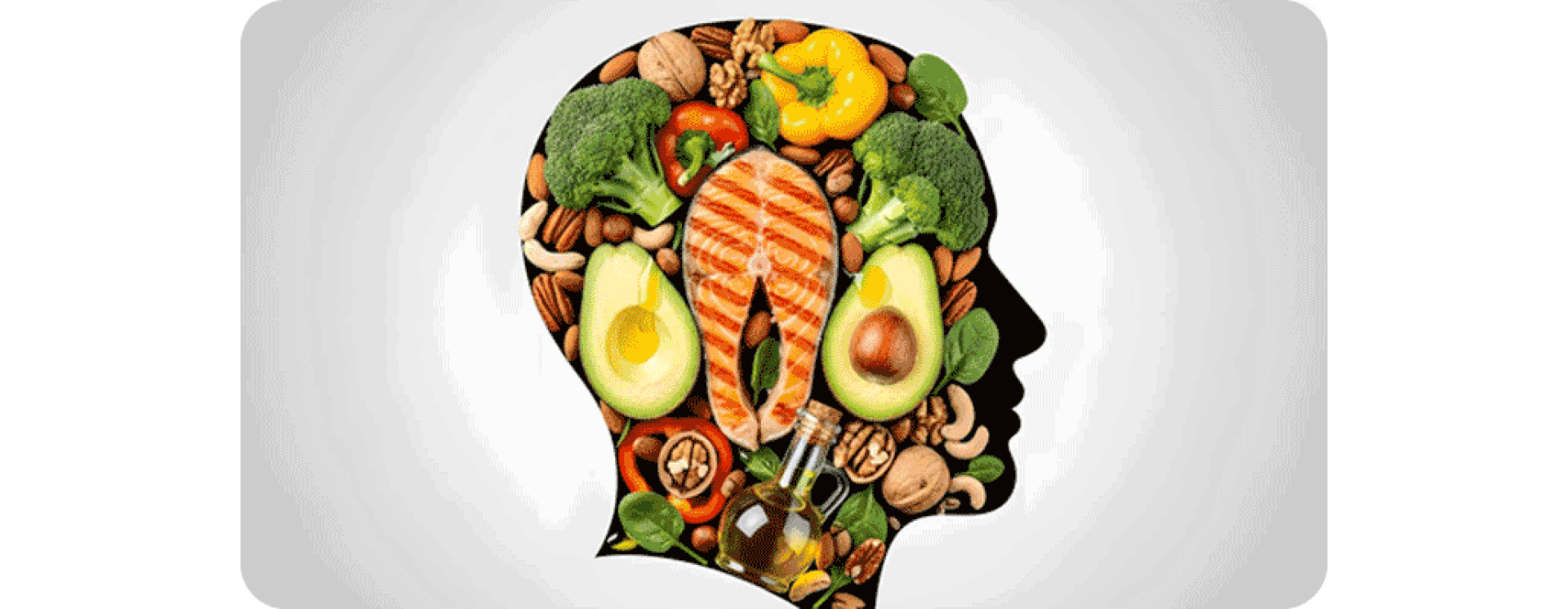
In a regular diet, carbs come from foods like bread, pasta, rice, cereals, and sugary foods. Our body breaks these down into glucose, which is used as fuel for the brain and the rest of the body. Because the Ketogenic Diet is very low in carbs and high in fat, the body makes ketones for use as an alternative fuel to glucose.

No, your (or your child’s) ketogenic diet plan will be personalised by a specialist dietitian to meet individual needs. As you (or your child) continue on the diet, they may make small adjustments (sometimes called “fine-tuning”) to help try and get the best possible results.
If the diet is helping after an initial 3-month trial, the usual advice is to continue for up to 2 years and then gradually return to a regular diet. If seizures come back, the diet may be continued for longer. Your ketogenic diet team will continue to support you throughout.

What to eat on the medical Ketogenic Diet
So, the big question - what food can a person following a ketogenic diet eat?
The ketogenic diet is different to what you may consider a healthy, balanced diet to be. However, your dietitian will ensure that your ketogenic diet meals contain the right amount of fat, carbohydrate, protein, vitamins and minerals for you or your child, and will give you an individual diet plan to follow. The ketogenic diet consists of:
High-fat foods
It is very important that most of the energy content of the ketogenic diet comes from fat, not from carbohydrates. This enables the body to produce ketones for fuel rather than glucose. There are also high-fat products available on prescription, which we’ll cover below.

Example of high-fat foods include:
- Seed and nut oils (for example, olive, sunflower, coconut, walnut)
- Butter
- Mayonnaise
- Cream cheese
- Double cream
Low carbohydrate
The ketogenic diet also involves eating only very small amounts of foods containing carbohydrate (sugars & starches). This stops glucose from being used as the primary energy source, so the body uses fat to produce ketones for energy instead.
Foods to avoid or restrict include:
- Bread, pasta, rice and potatoes
- Chocolate, sweets, cakes and biscuits
- Certain fruits (e.g. bananas, grapes, oranges and apples)

Moderate protein intake
Protein is important for the repair of body tissues and in children’s growth and development, so your dietitian will ensure enough good-quality protein-based foods are included in the diet plan every day.

Examples of protein-rich foods
- Red meat
- Chicken
- Fish
- Eggs
- Dairy Foods (except milk e.g. cheese, Greek yoghurt)
- Tofu
Looking for meal ideas?
We have created lots of exciting Ketogenic Diet recipes which can help provide ideas of what can be used to make keto meal plans for those following the diet.

Medical and nutritional supervision
Anyone following the ketogenic diet for epilepsy or a neurometabolic condition, whether as an adult or a child, will receive medical and nutritional supervision from a ketogenic diet team.

This team will be able to accurately work out exactly how much fat, carbohydrate and protein, vitamins and minerals need to be included and provide an individual ketogenic diet plan to follow.
That’s why it’s so important that the ketogenic diet is undertaken under medical and dietetic supervision and should not be attempted without it.
Looking for more support and information around DRE and the Ketogenic Diet?

Matthew’s Friends is a dedicated Ketogenic Diet support group. They provide valuable resources, information and a network of like-minded parents and patients on the ketogenic diet.
*Consult your Healthcare Professional to determine if these ketogenic diet meals and recipes are suitable for you or your child.
(1) Hallböök, T.; Lundgren, J.; Rosén, I. Ketogenic Diet Improves Sleep Quality in Children with Therapy‐Resistant Epilepsy. Epilepsia 2006, 48 (1). https://doi.org/10.1111/j.1528-1167.2006.00834.x
(2) Haridas, B.; Testino, A.; Kossoff, E. H. Ketogenic Diet Therapy for the Treatment of Pediatric Epilepsy. Epileptic Disord 2024, 27 (2). https://doi.org/10.1002/epd2.20320
(3) Berkel, A. A. v.; IJff, D. M.; Verkuyl, J. M. Cognitive Benefits of the Ketogenic Diet in Patients with Epilepsy: A Systematic Overview. Epilepsy Behav 2018, 87. https://doi.org/10.1016/j.yebeh.2018.06.004
Specially manufactured products for the medical Ketogenic Diet
To help make the ketogenic diet a little easier to follow day-to-day, Vitaflo offers a range of products and services. Some products come in set ketogenic ratios for convenience, but can be adjusted to suit individual needs. Your ketogenic diet team can advise you on what’s right for you or your child, including Foods for Special Medical Purposes (FSMPs).